



Tutorial
Learn Creative Coding and Generative Art. Each tutorial discusses a particular algorithm or programming technique for the purpose of creating interesting visuals.
34 posts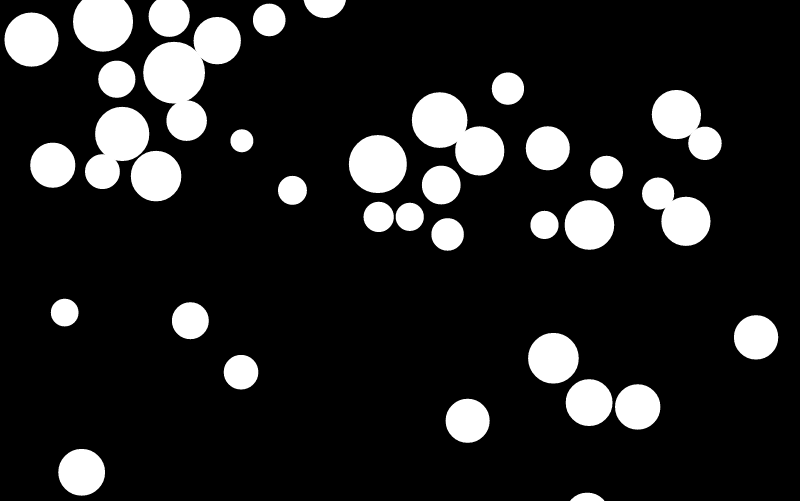
In this post we revisit our particle system, and have a first look at the Verlet Integration method, which is an alternate method for simulating particle physics. It is in many ways more robust that the regular Euler Integration method that we have employed so far.
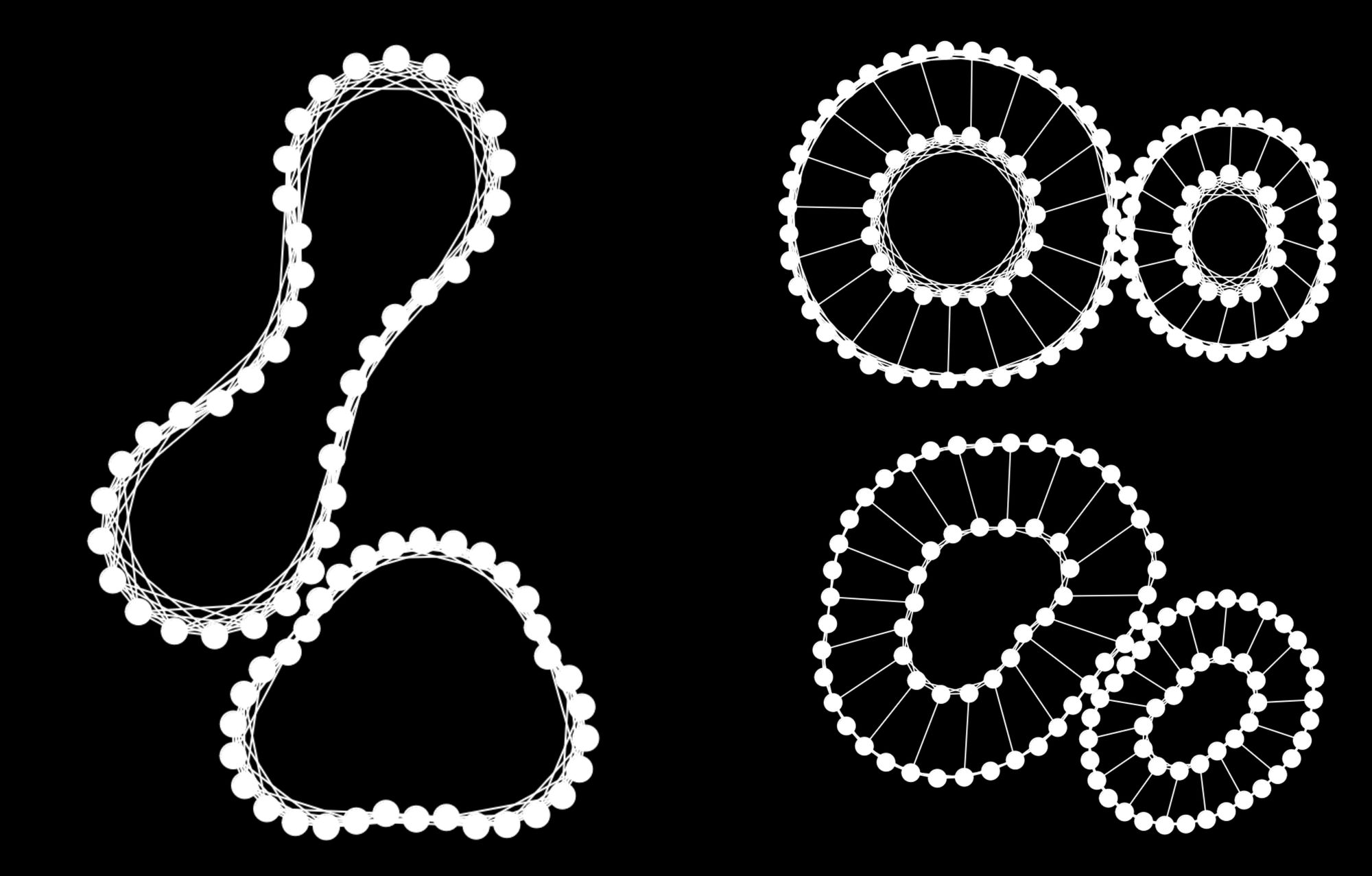
One approach to modeling deformable objects in computer graphics are spring-mass systems: a technique that allows us to bring Soft Body physics to life. Picking up from the particle mesh that we created last time; in this post we'll tackle different configurations for blob-like shapes.
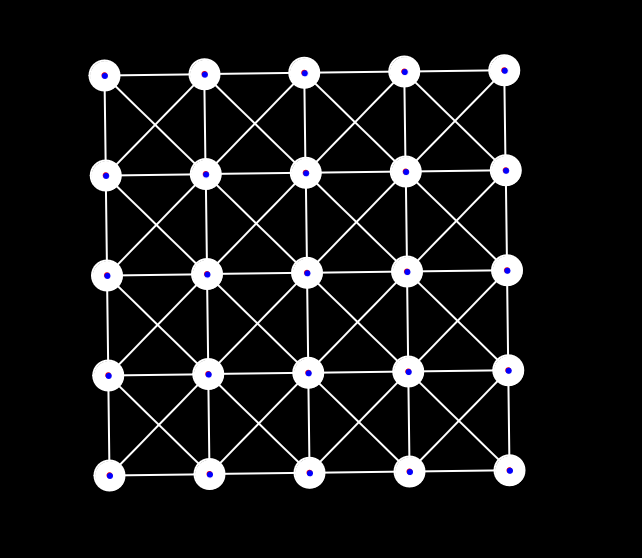
Springs are an integral concept to physics, fundamental components used in many applications, coming to life with Hooke's Law from the 17th century. In this post we have a look at how to code and simulate such springs and extend a previous particle system with them.
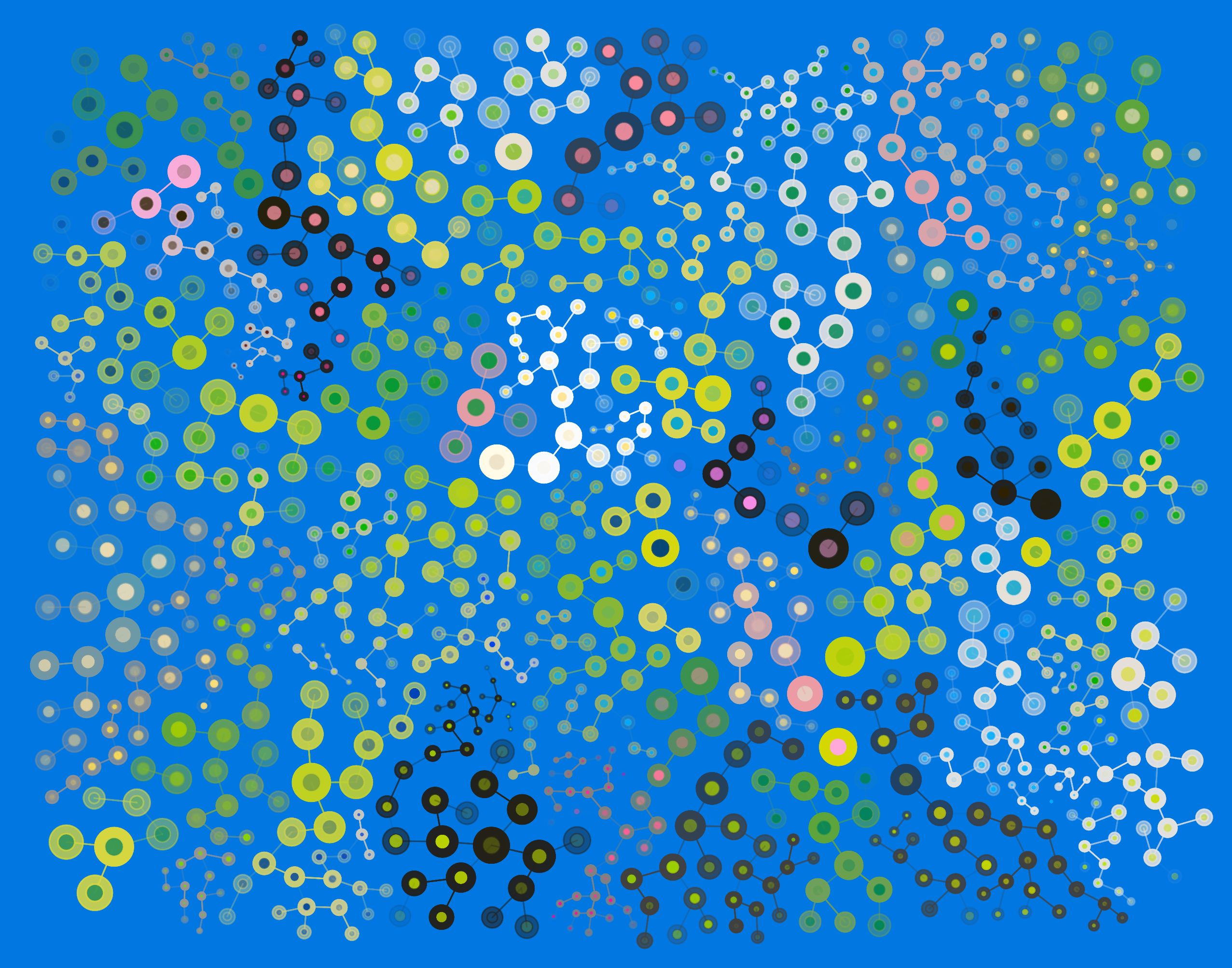
In this post we have a look at a simple algorithmic idea that can produce some very interesting organic looking patterns. At it's essence it's a circle packing strategy, but with the added twist that these circles are connected in a tree like structure. 🌳🦠
Vue is an excellent framework for creating intricate and reactive user interfaces, while maintaining a manageable code base. In this article we cover the core concepts and build a minimal app to showcase Vue's features.
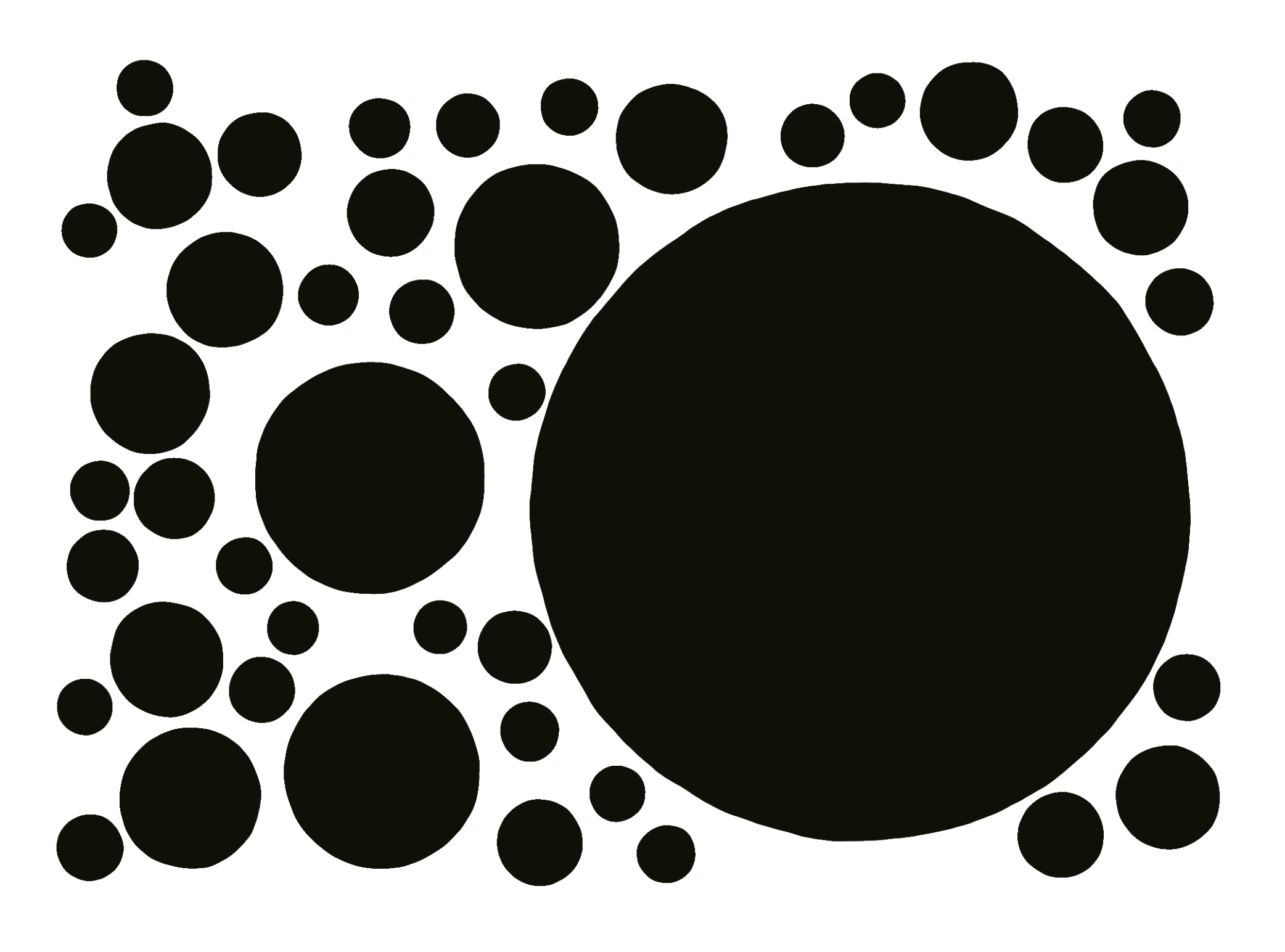
In this post we have a look at a method with which we can greatly improve a collision detection system. Using a lookup grid we can greatly reduce the number of required checks between particles. We will also look at some methods to optimize this lookup grid.
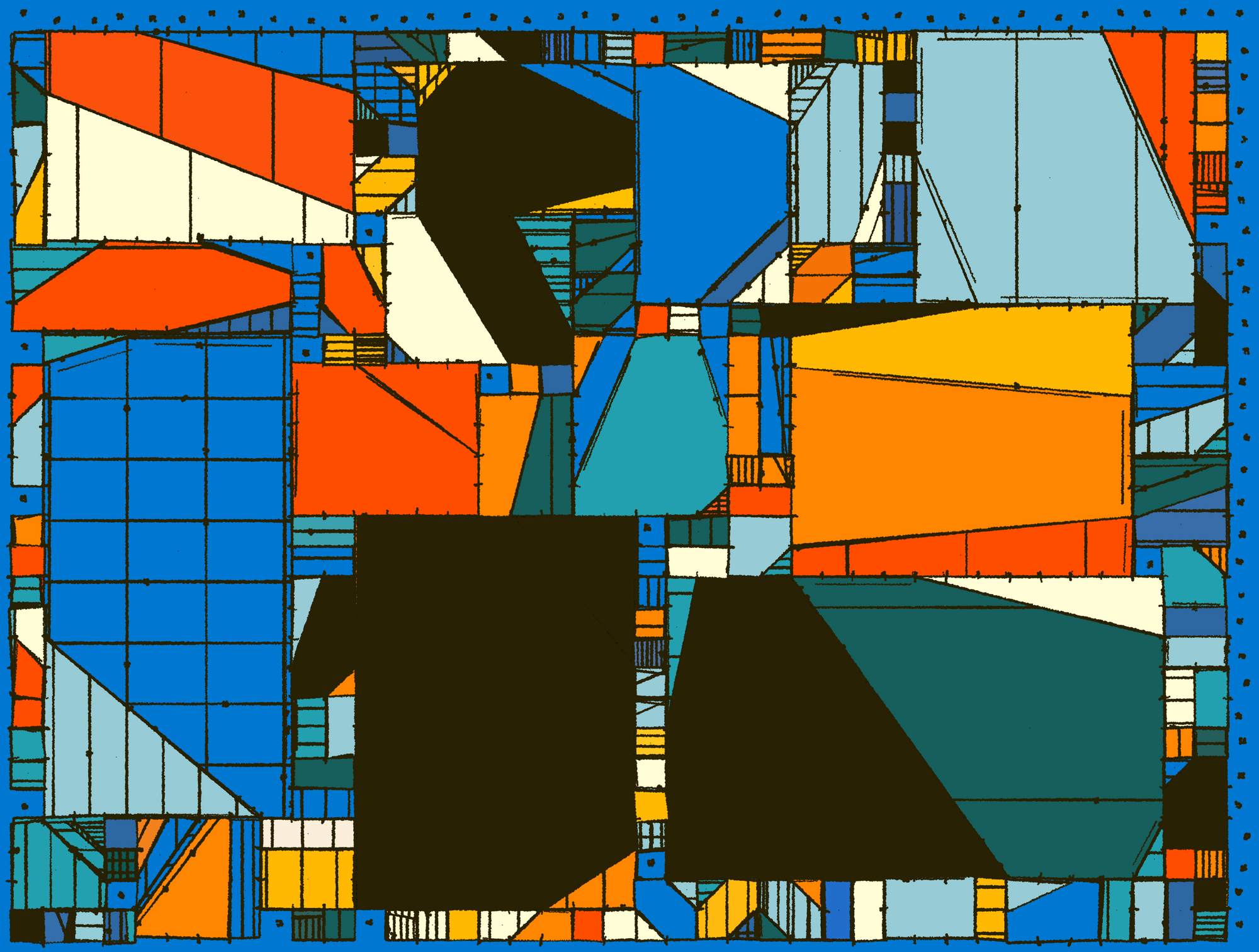
In this tutorial we'll have a look at javascript generators and how they can be used for animating the drawing phase for our generative sketches. We'll cover everything from syntax to actually implementing a simple example using p5's draw loop.
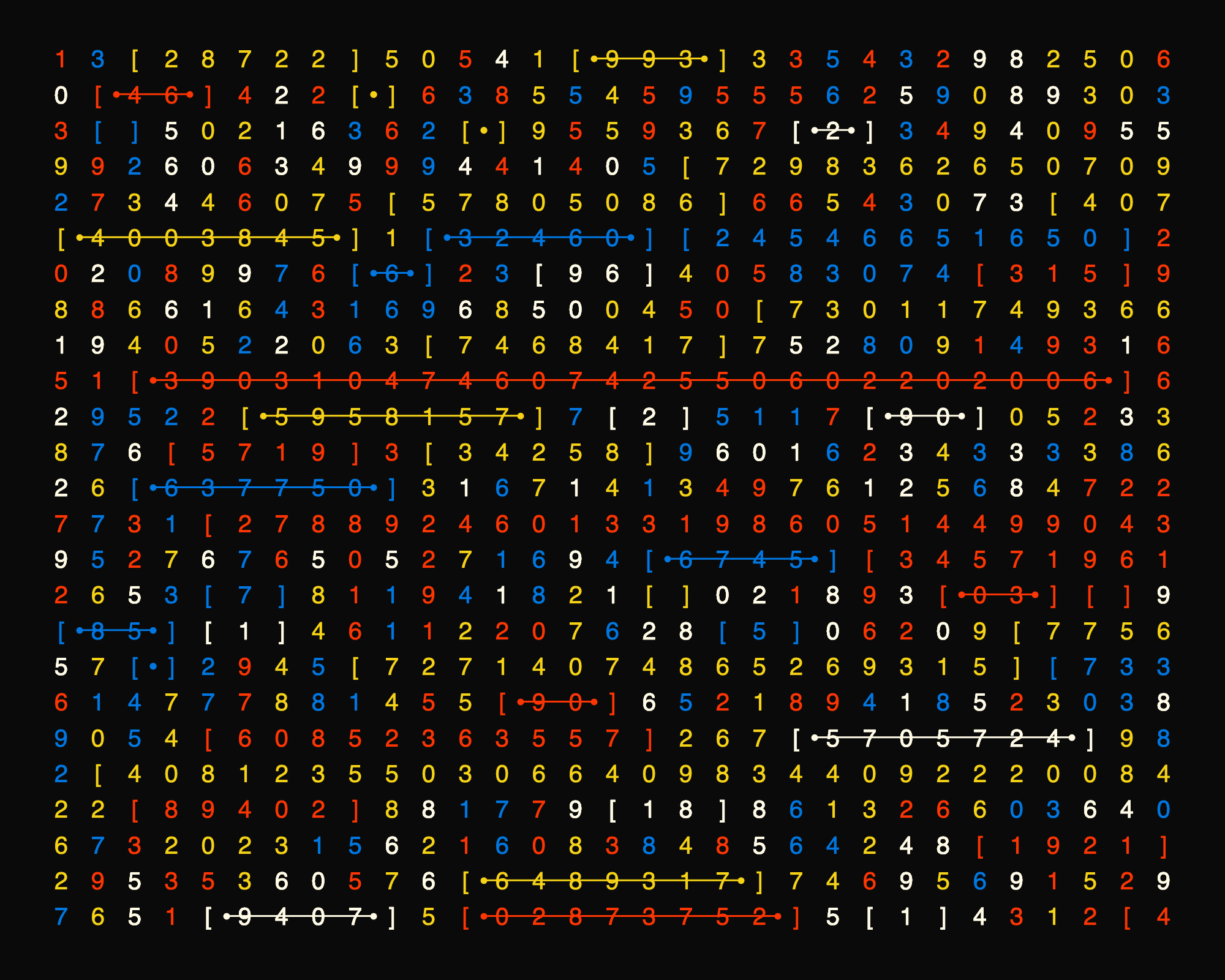
In this post we have a look at the Javascript spread syntax, a powerful feature that was introduced with ES6 and which trivializes many tasks that deal with handling iterables.
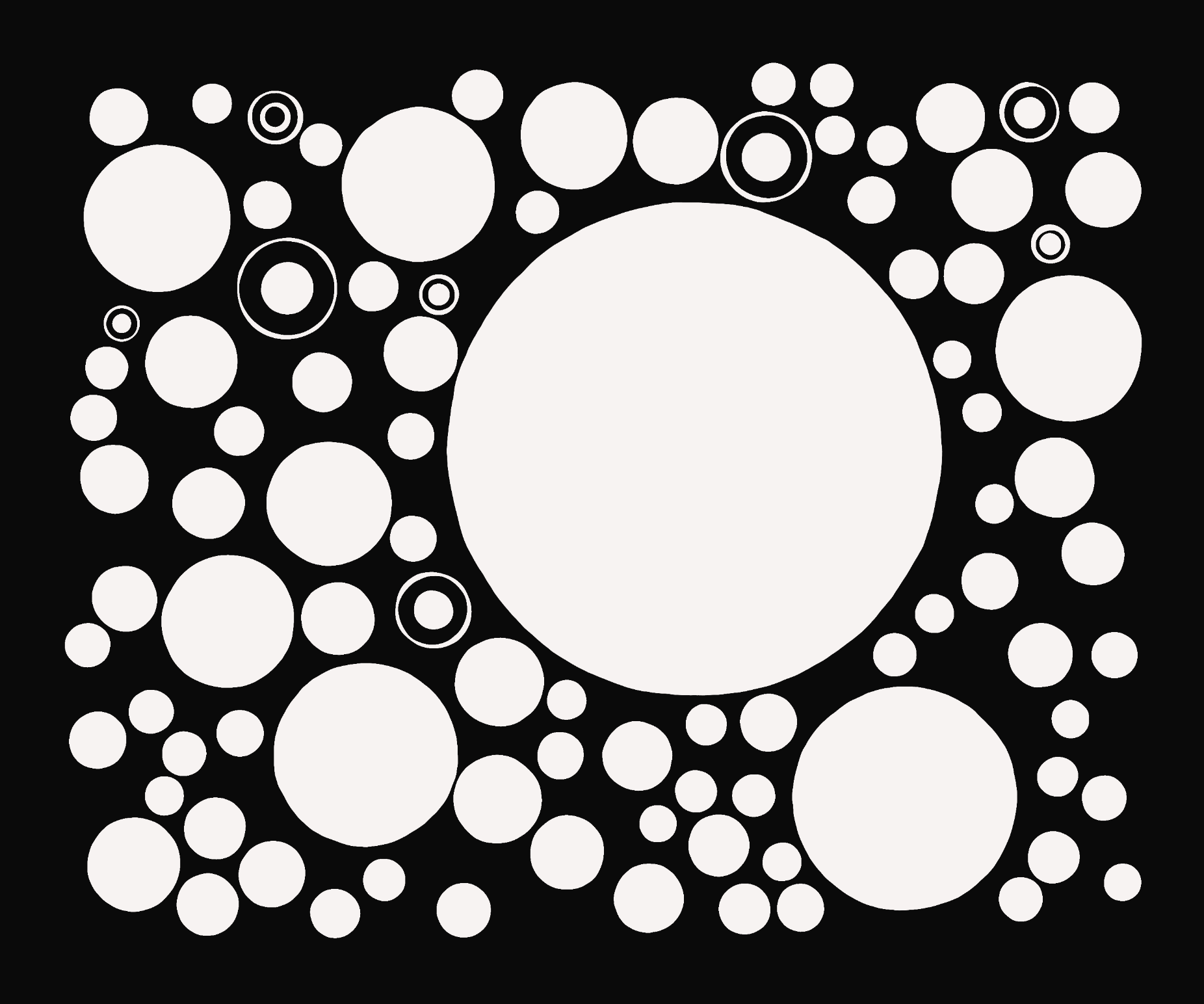
In this post we will program a particle system in p5js from scratch. We'll mainly dicuss object oriented programming and delve into the necessary physics concepts to compute collisions, all while implementing a full particle simulation with P5JS.
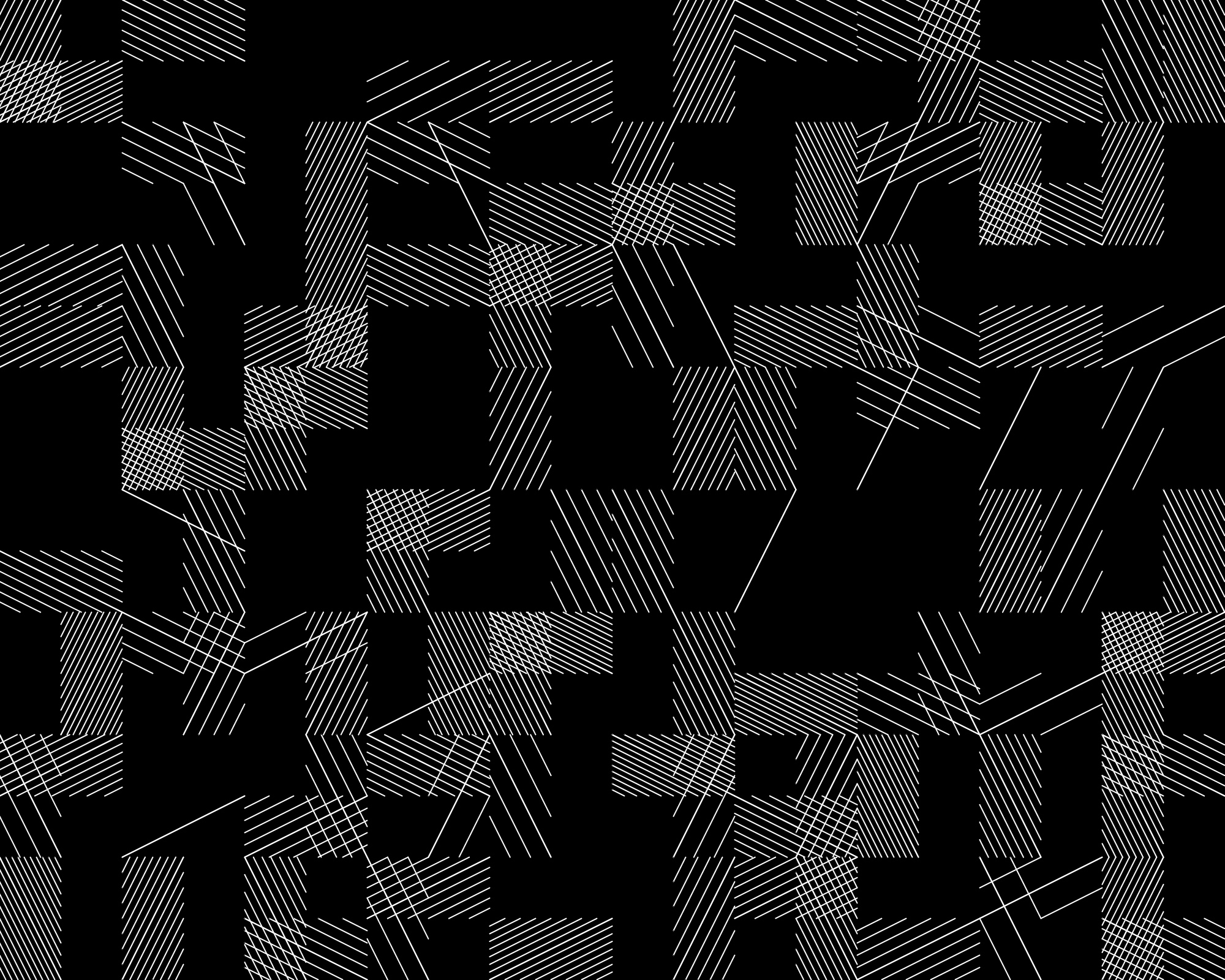
In this tutorial we'll recreate Vera Molnar's homage to Paul Klee. We learn how to draw patches of slanted lines to the canvas, a strategy for enumerating all possible combinations, and at the same time have a look at a recode from Golan Levin.
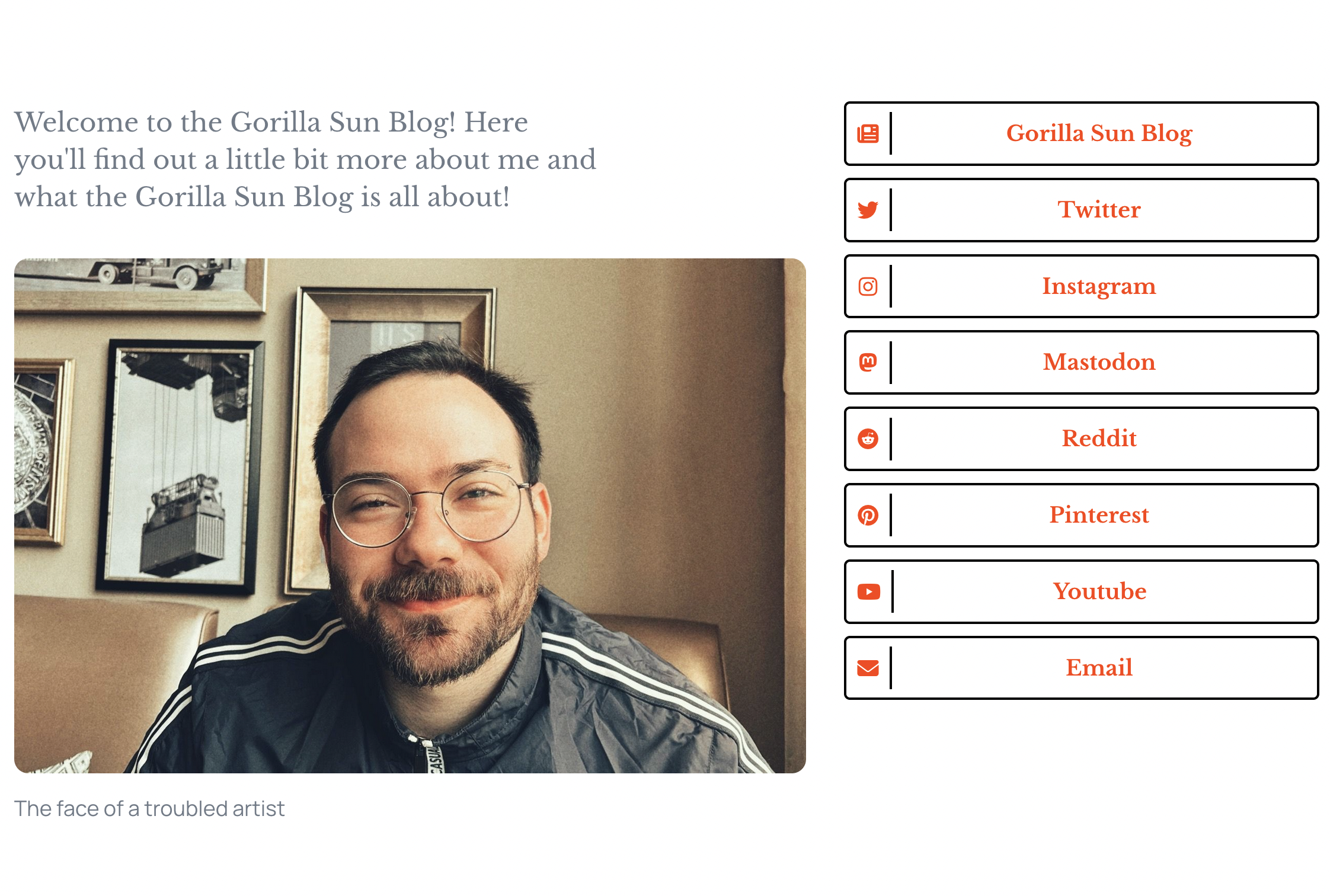
In this post we'll learn how to build our own personal Linktree clone. Throughout, we'll have a look at the CSS flexbox and how it can be used to create responsive designs. A complete example is included at the end.
In this post we'll thoroughly discuss what SVGs are, how they can be displayed on web pages, how we can algorithmically generate them, and how we can export them from our sketches.