




Welcome back everyone 👋 and a heartfelt thank you to all new subscribers who joined in the past week!
This is the 89th issue of the Gorilla Newsletter—a weekly online publication that sums up everything noteworthy from the past week in generative art, creative coding, tech, and AI.
If it's your first time here, we've also got a Discord server where we nerd out about all sorts of genart and tech things — if you want to connect with other readers of the newsletter, come and say hi: here's an invite link!
Cue the news 👇
All the Generative Things
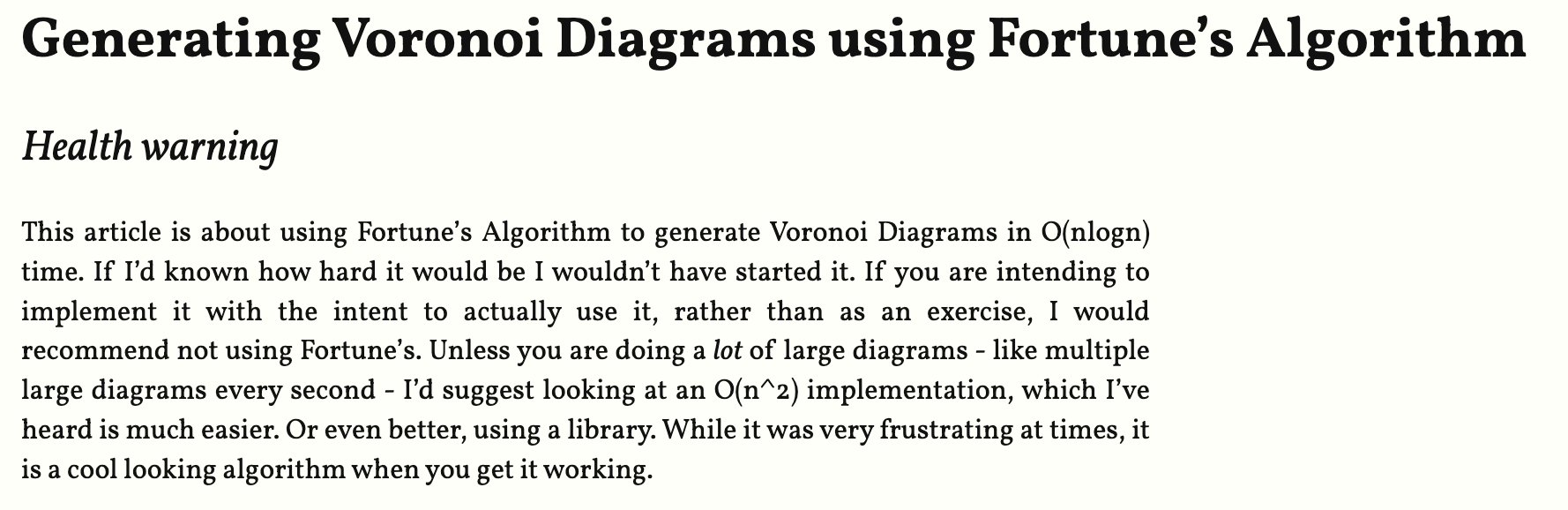
When it comes to generating Voronoi Diagrams, many roads lead to Rome, and in the context of this beefy article, our road is Fortune's algorithm: Joe, aka redpenguin, wrote a massive tutorial detailing how to implement the algo 👇
In a nutshell, Fortune's algorithm builds a Voronoi diagram by "sweeping" a horizontal line across a set of points: as the line moves, it creates a curve called the beach line that changes shape based on which points have been passed. When the sweep line reaches a new point, an arc is added to the beach line, and as the curve evolves, arcs may merge or disappear, forming new corners (vertices) in the diagram. The algorithm keeps track of these changes using a structured list of events, allowing it to efficiently and gradually construct the full diagram.
By far one of the best visualizations of the algorithm that I've seen is by Daniel Piker — in the 3D context the abrupt motion of newly added arcs just makes much more sense.
In theory the algorithm sounds quite simple, but its implementation is actually quite challenging as Joe states at the beginning of the article. This is mainly due to how you need to handle the addition of new voronoi sites to the diagram as the beachline progresses — if you're up for a challenge you know where to start!
If you're out of the loop, roughly a year ago Lague made his first video on fluid sims, in which he implements the particle algorithm described in the famous paper "Particle-Based Fluid Simulation for Interactive Applications". Lague followed up with a second coding adventure, where he investigates rendering the particle sim as a visually realistic fluid.
 Katie Steckles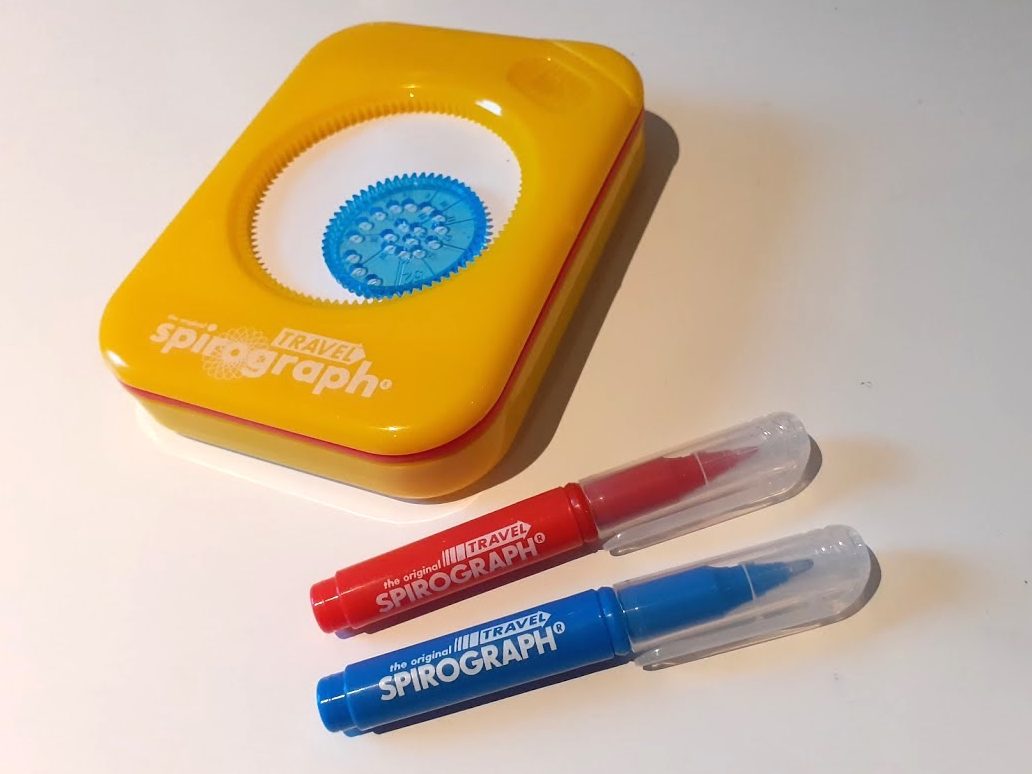
Highly recommend checking out the other articles by the Aperiodical, the magazine posts relatively frequently — about once a month.
The drawing device typically consists of a fixed outer ring and a smaller, movable wheel with several holes for a pen; by placing the pen in one of these holes and rolling the wheel along the inside or outside of the ring, one can produce a wide range of complex, looping designs.
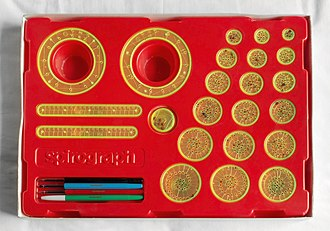
Obviously it's not required for simulating the patterns algorithmically with a computer, but it's kind of a beautiful way to visualize the maths behind the resulting patterns.
 Maxime Heckel
Tech & Web Dev
 Write that blog!
He closes out with some tips for those interested in starting out.
 Josh W. Comeau
If you're not familiar, container queries are a relatively new CSS feature that allows you to apply styles to an element based on the size (or other properties) of its containing element rather than the overall viewport - while media queries allow you to change the overall layout of elements on your page, they can't really be used to describe how the stuff within those elements should respond dynamically as the container's size changes. As always, Josh provides us with interactive examples to illustrate this.
Purely by coincidence, I came across an article by Salma Alam-Naylor, aka whitep4nth3r, where she recounts a similar difficult situation after being afflicted by carpal tunnel syndrome. She provides a list of the tools that ended being useful to her, like Talon and Cursorless, that let you write and navigate simply with your voice.
 Salma Alam-Naylor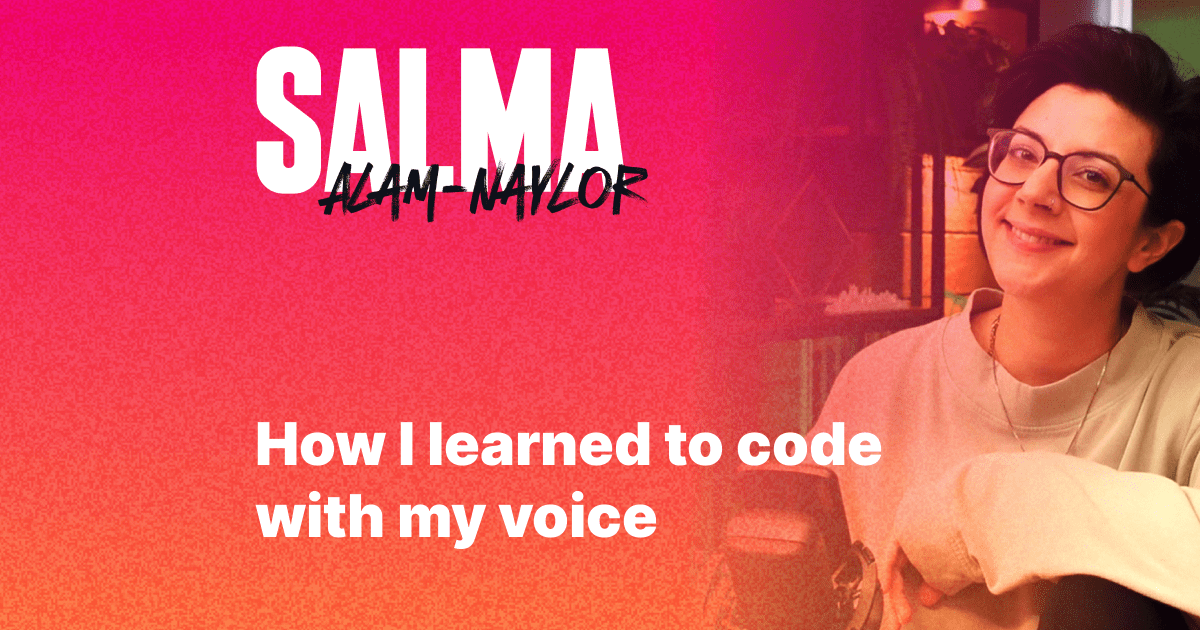
Just as I was writing this, I found through Salma's Bluesky that she'd been on Kevin Powell's YouTube channel to talk about her situation:
She points out that this condition is much more common than you might think, which became apparent when she turned to her following asking for advice. The big response she received showed that a surprising number of people struggle, or have struggled, with accessibility — browsing the web, using every-day tools, like Notion, as well as the UIs of different apps, many of them simply aren't geared towards accessibility.
 james2doylegmail.com James Doyle
AI Corner
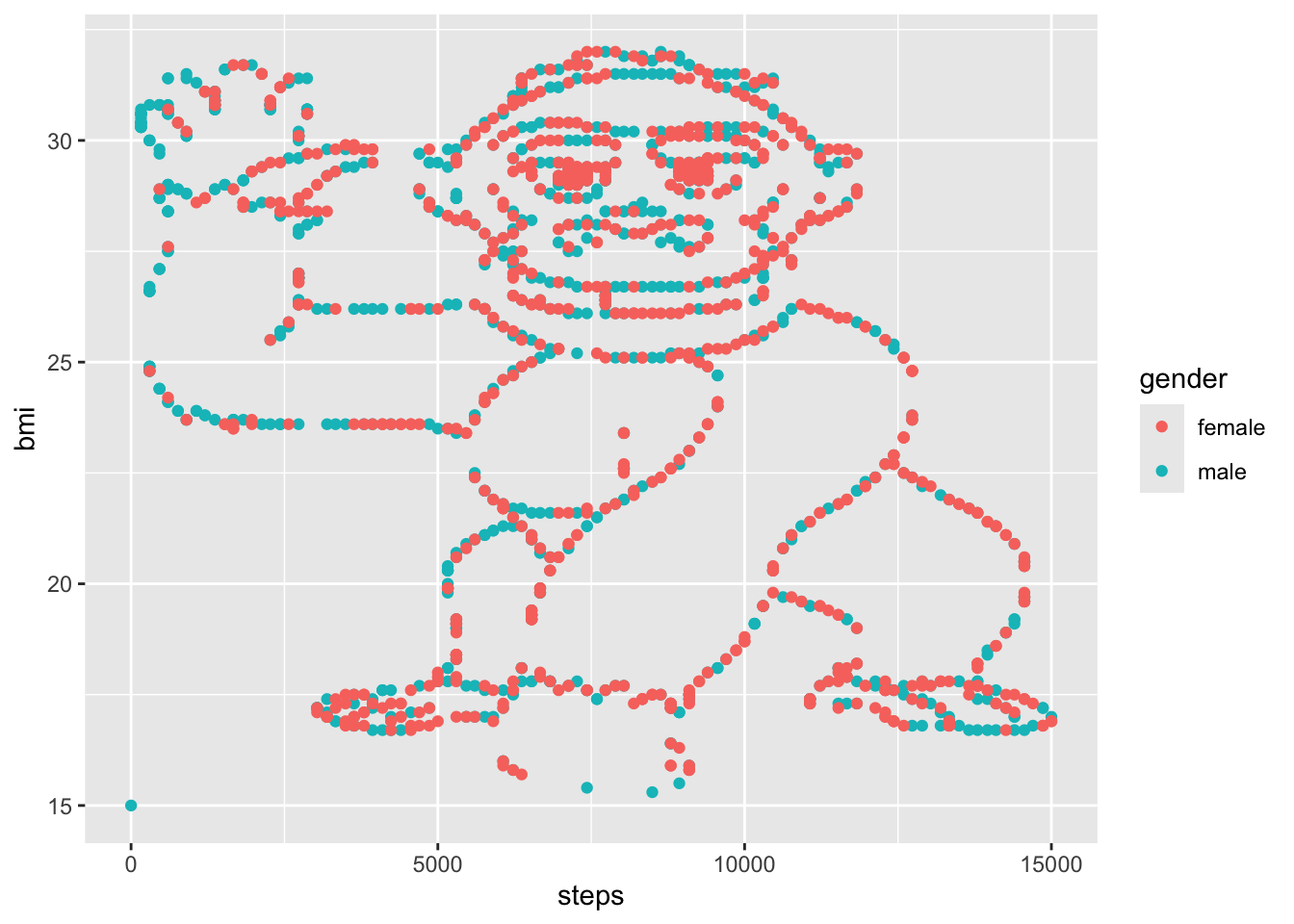
To dig deeper, they compared how ChatGPT and Claude handled data analysis. Both models did a good job summarizing numbers but struggled to spot unusual patterns in visual plots unless shown the images directly. Even then, they didn’t recognize the hidden “gorilla” without extra prompting. This highlights that while large language models are great for crunching numbers, they might miss surprising insights during open-ended exploration.

Music for Coding
This is some of the absolute best Jazz I have heard in a hot minute — Matthew Halsall had me hooked with the first couple of notes that came through his trumpet. I can't remember the last time I've listened to an instrumental album where the trumpet takes the lead; but Halsall's buttery smooth notes are just ear candy.
Halsall is a British jazz trumpeter, composer, and bandleader that has earned critical acclaim for his innovative and soulful approach to modern jazz — the rich and introspective soundscapes in his third studio album On the Go are testament of this.
Looking at some of what others said about the album, it's been described as a musical journey, while that may be a cheesy way to put it, I couldn't agree more. Each track carries you away in a different manner, from soaring highs that sweep you off your feet to quiet stretches that let you regain your composure. Those heavily oriental sounding scales throughout even stirred a hint of nostalgia in me.
And that's a wrap — hope you've enjoyed this week's curated assortment of genart and tech shenanigans!
Now that you find yourself at the end of this Newsletter, consider forwarding it to some of your friends, or sharing it on the world wide webs—more subscribers means that I get more internet points, which in turn allows me to do more internet things!
Otherwise come and say hi over on TwiX, Mastodon, or Bluesky and since we've also got a Discord now, let me shamelessly plug it here again. If you've read this far, thanks a million! And in case you're still hungry for more generative art things, you can check out last week's issue of the newsletter here:
 Ahmad Moussa
You can also find a backlog of all previous issues here:

Cheers, happy coding, and again, hope that you have a fantastic week! See you in the next one!
~ Gorilla Sun 🌸