



Welcome back everyone 👋 and a heartfelt thank you to all new subscribers who joined in the past week!
This is the 94th issue of the Gorilla Newsletter—a weekly online publication that sums up everything noteworthy from the past week in generative art, creative coding, tech, and AI.
Recently the team at Ghost rolled out ActivityPub support for all Ghost blogs — which means that you can now follow the blog directly via your Mastodon, and other ActivityPub-based social media accounts via @index@www.gorillasun.de and receive updates whenever I publish a new issue or make a direct post into the Fediverse!
If it's your first time here, we've also got a Discord server where we nerd out about all sorts of genart and tech things — if you want to connect with other readers of the newsletter, come and say hi: here's an invite link!
That said, cue the news 👇
All the Generative Things
In this installment he greatly optimizes the code that powers the sim, and incorporates additional constraints such as collision detection:
We actually already had a look at ant colony simulation, in issue #68 of the newsletter to be precise, when I wrote about Physarum sims. Check out this excellent interactive tutorial by Deniz Bicer, as well as this excellent video by Patt Vira.
Physarum simulations are a type of particle-based algorithm in digital morphology, designed to recreate the behavior of slime molds, or ant colonies, in a digital setting.
Essentially all sort of hive-like flocking behavior where agents seek out food sources and carve out distinct looking network like path patterns. In a genart setting these sims are popular due to the visually interesting patterns they can produce.
In the first video, Matthias tackles the Sweep and Prune algo, that's relatively efficient for most 2D settings, showing us how to implement it in just 10 lines of code.
The second more recent video explains a much more efficient approach, that spatially indexes objects in a scene and leverages a tree structure to check for collisions — that is magnitudes more efficient than the Sweep & Prune approach.
In an article of theirs they explain the inner workings of the procedural cave-generator they built for their game:

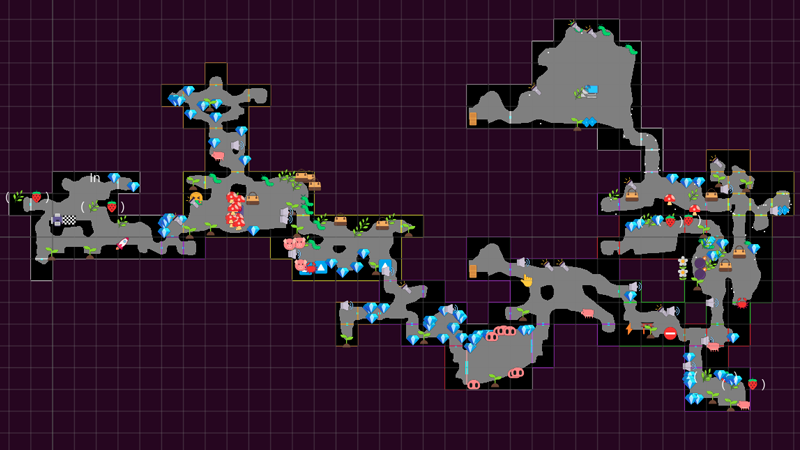
It turns out that the seemingly organic tunnel system is based on a smart tile-based grid, where entrances and exits are anchors that can connect to other tiles. Placing this one high up on the list this week, because it turned out to be a surprisingly insightful resource on dungeon/cave generation.
And yes, I blatantly stole this one from Daniel Catt's newsletter; it was too good to not also share here. That said, check out Daniel's newsletter, it's great!

Apparently there is an entire community of creatives and tinkerers that have gathered around the idea of creating all sorts of crazy Sudoku variants — if you'd like to delve into this topic, there's a huge YouTube channel that regularly posts about this topic, it's basically Numberphile for Sudoku:
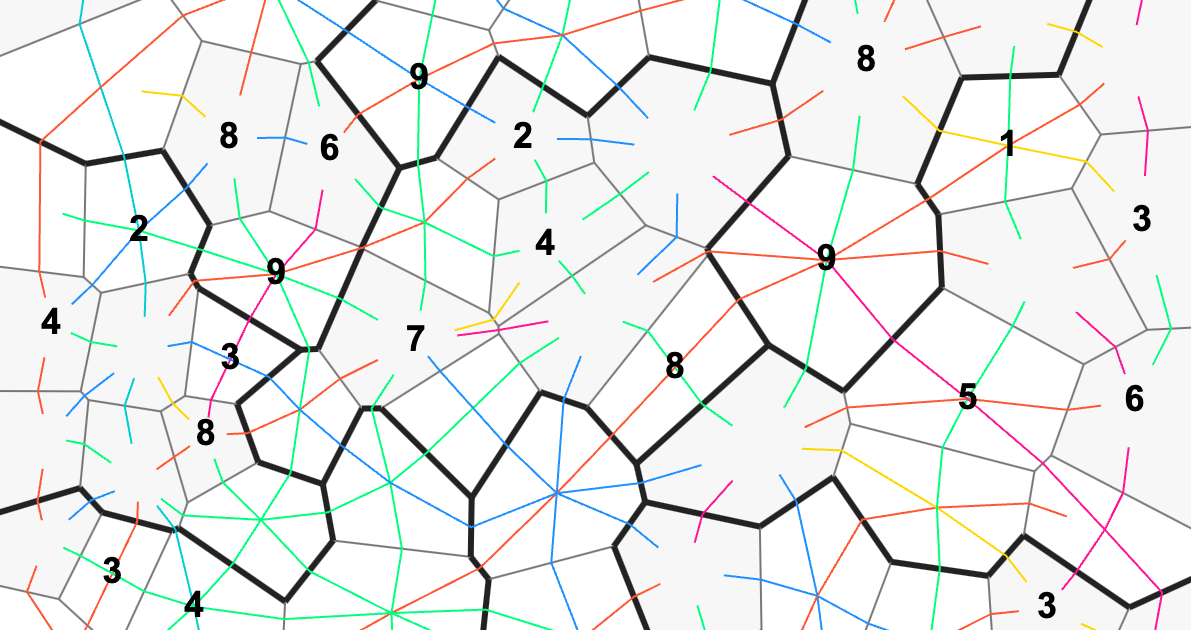
While people have come up with many alternative rule-sets, it seems that there hasn't been much innovation in terms of layout, which is what Daniel attempts to change with his version.
His post explains how the puzzle generator works as well as the additional rules the Voronoi variant introduces, where numbers can't be repeated along specific "runs" of cells, instead of rows and columns.
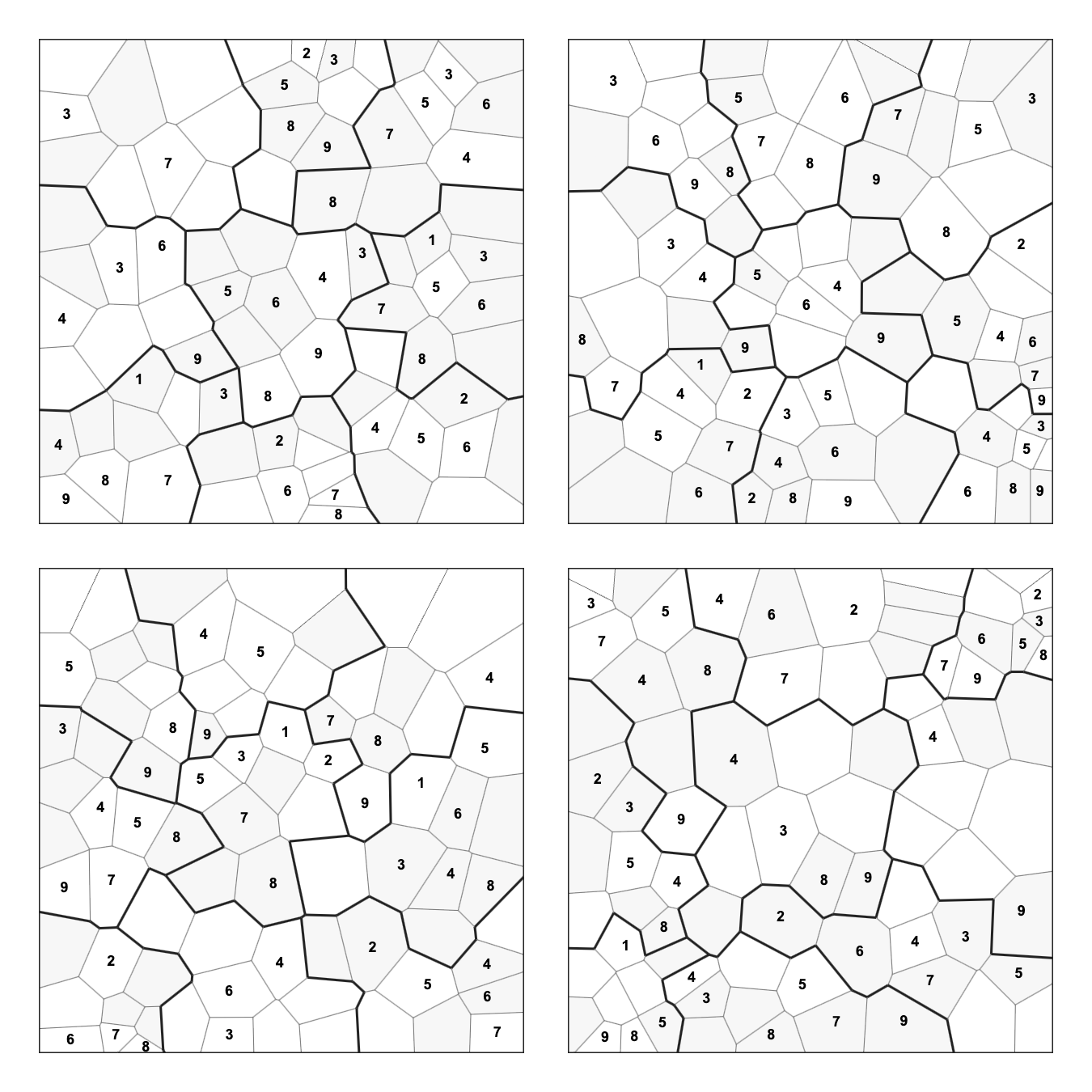
You can give it a try here.
Developed as a labor of love over the course of the past 3 years, sole dev LocalThunk recounts the entire creation timeline of the game in a big write-up of his:
 LocalThunk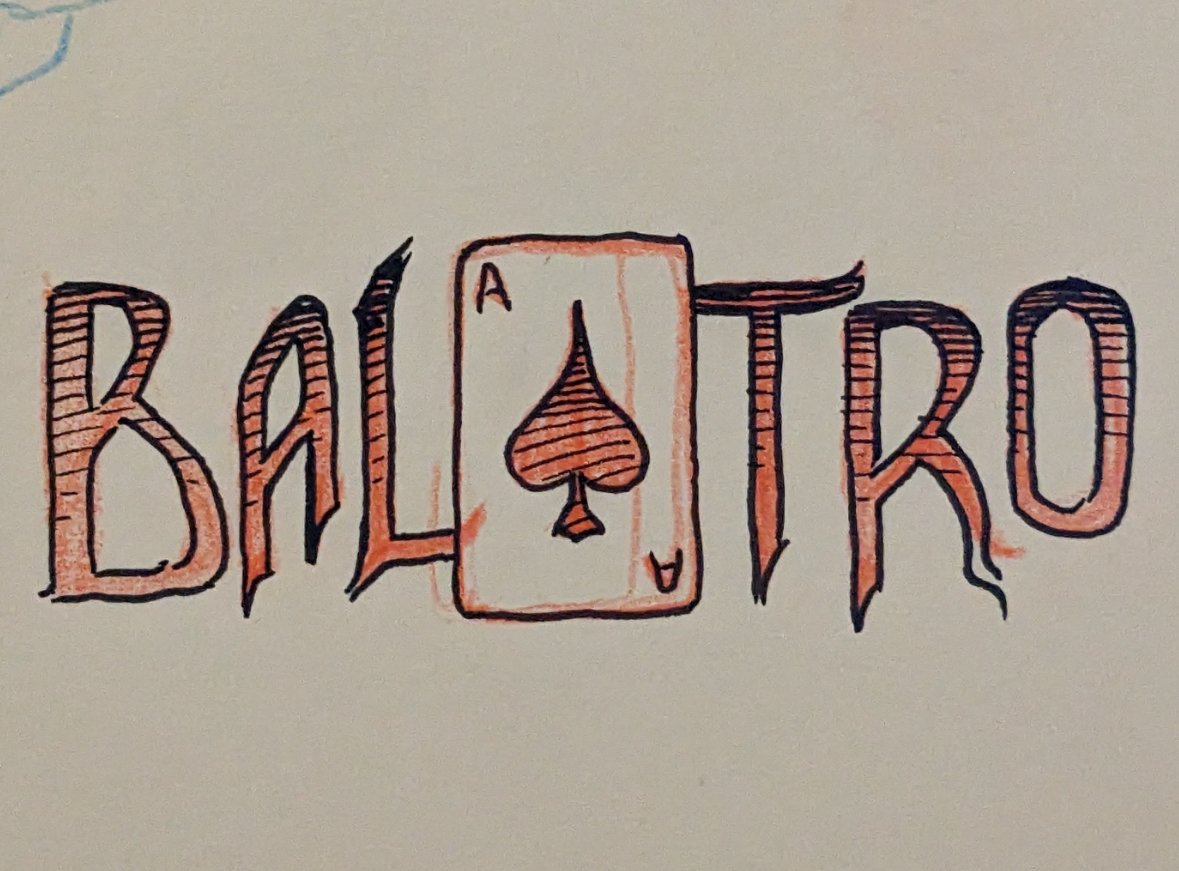
Dev & Web Tech
1 — TypeScript 10x faster: if you haven't heard yet, Microsoft just made TypeScript 10x faster — now you too can be a 10x dev, in the literal sense of the phrase! 😆
Jokes aside, it's not everyday that a programming language becomes 10 times faster overnight — so how did Andres Hejlsberg do it? Ironically, by not using any of the numerous programming languages he has created in his lifetime. Rather than using the TypeScript to compile the TypeScript, Go is a seemingly much better tool to do so, and porting the compiler yielded the massive speed-up.
As always, check out the FireShip video that summarizes things in a succinct and humorous manner.
 Chris Nicholas
 Juan Diego Rodríguez
As you might have guessed though, it's likely going to be a couple of years before we can fully enjoy CSS functions across the major browsers (or we all just start using Chrome Canary 🤷).
This post isn't new, but still very much worth sharing, back in May of last year the sporewoh blog ran a design content for pocket-sized keyboards, the results then came out in October, with the top-designs listed in this article, there's a bunch of fascinating pieces in there.
 sporewoh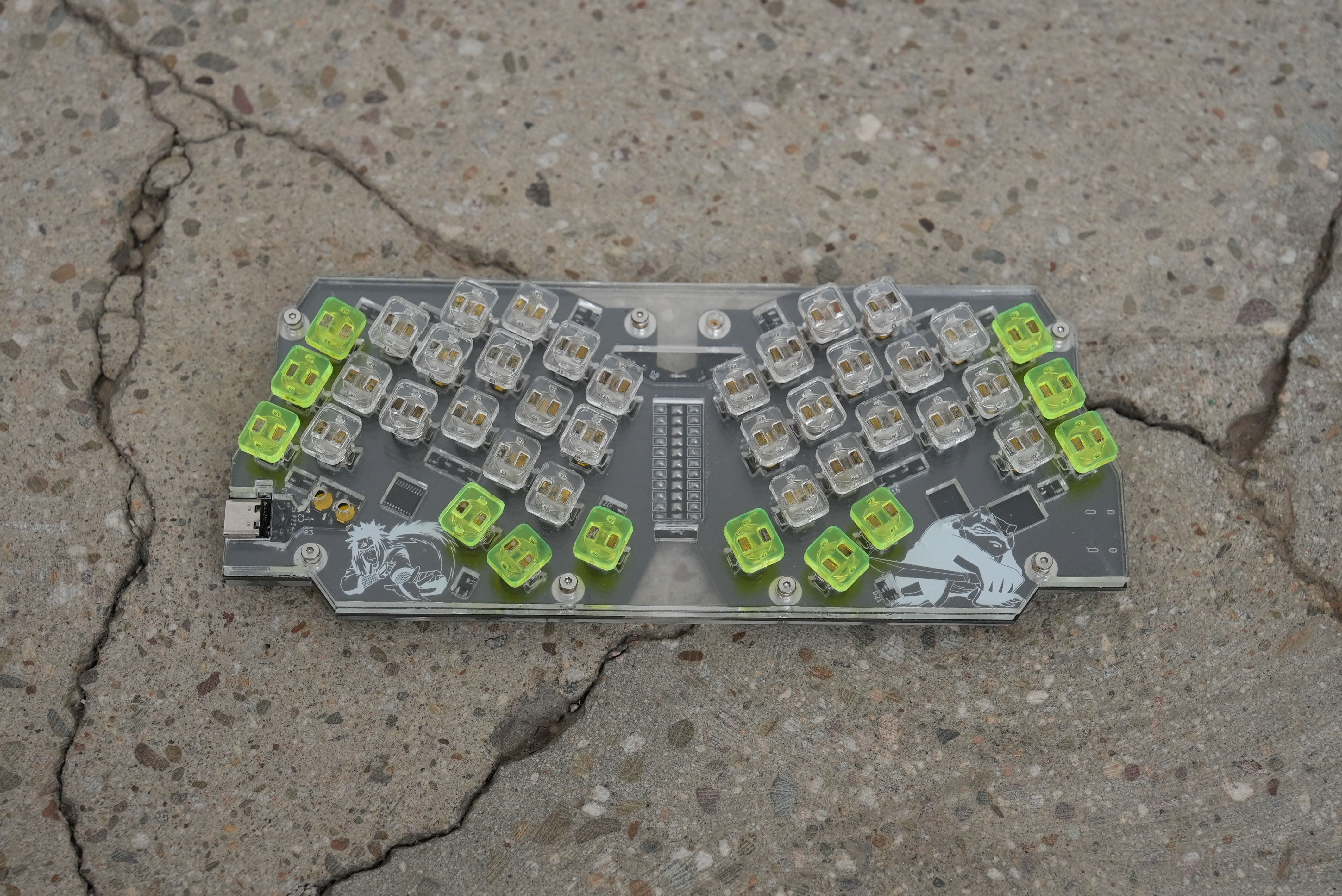
AI Corner
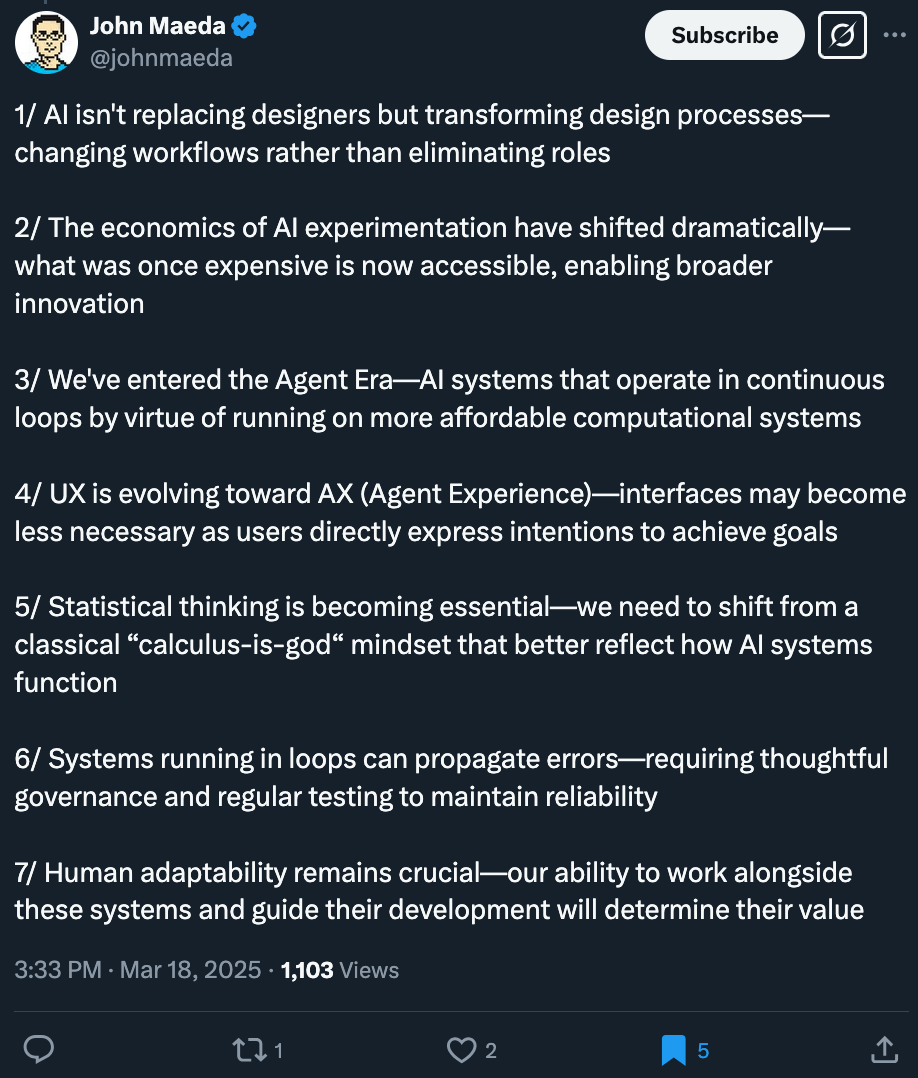
It almost seems ages ago now, back then we were still grappling with adopting AI as a solution for design purposes, with a general negative sentiment towards it — now this seems a thing of the past, and the narrative having shifted quite significantly.
If you want a concise summary of Maeda's thoughts on the topic, he also wrote this wonderful post on X — the two strongest threads right now are that
That's Damien Masson's paper Textoshop explores: novel text interactions that mimic those you'd usually find in image editing software. He demonstrates many of those interactions in the X thread he posted here 👇
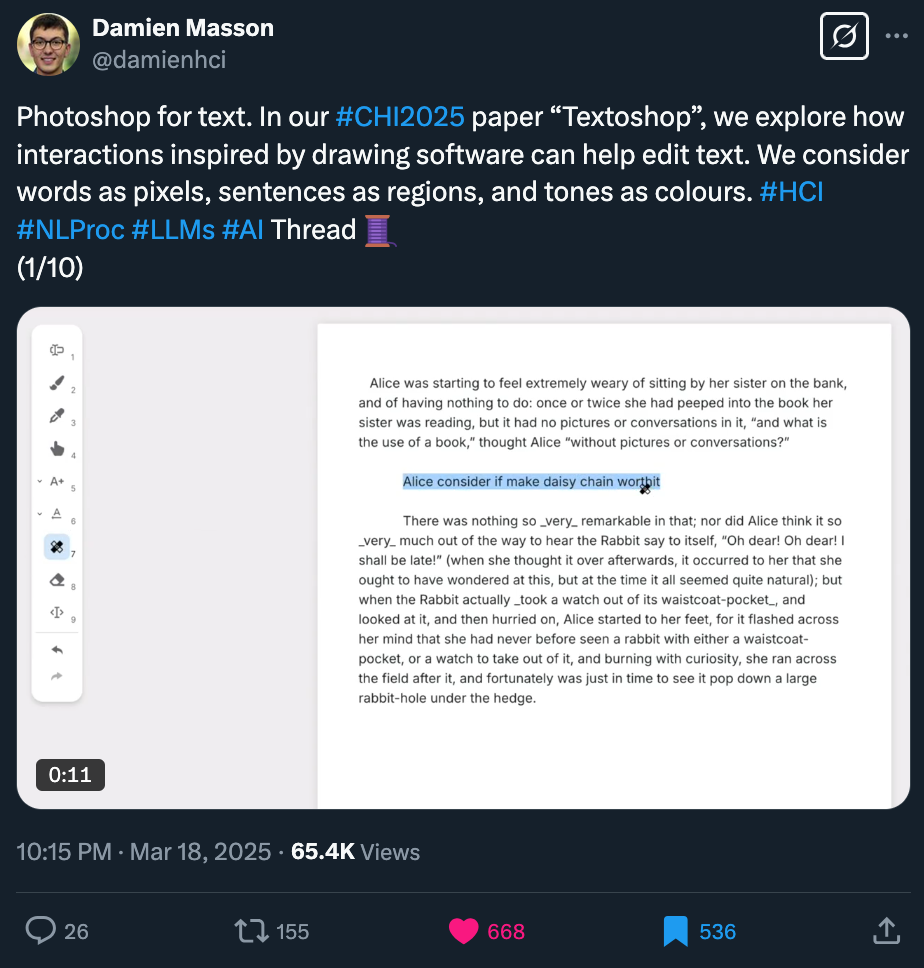
And it seems that this is not a new idea, X user kepano had predicted this with a thread of theirs back in October 2022, read up on it here. This also strongly reminds me Amelia Wattenberger's LLM based experiments that I highly recommend checking out.
Music for Coding
I went to a concert for the first time in a while this past week — and calling it a concert doesn't really feel right, it was much rather an experience, and to an equal extent a phenomenon to witness. Heilung is a Nordic-Ritual-Folk band (according to Wikipedia), that's rhythmic, primal, and at points even atmospheric and cinematic.
It's the kind of music that transports you away to a different time and place — seeing them live definitely made me feel like I was somewhere else. It might not be everyone's cup of tea, but I definitely would recommend giving it a listen at least once — and if they're doing a show near you, experiencing it for yourself:
And that's a wrap — hope you've enjoyed this week's curated assortment of genart and tech shenanigans!
Now that you find yourself at the end of this Newsletter, consider forwarding it to some of your friends, or sharing it on the world wide webs—more subscribers means that I get more internet points, which in turn allows me to do more internet things!
Otherwise come and say hi over on TwiX, Mastodon, or Bluesky and since we've also got a Discord now, let me shamelessly plug it here again. If you've read this far, thanks a million! And in case you're still hungry for more generative art things, you can check out last week's issue of the newsletter here:
 Ahmad Moussa
You can also find a backlog of all previous issues here:


Cheers, happy coding, and again, hope that you have a fantastic week! See you in the next one!
~ Gorilla Sun 🌸